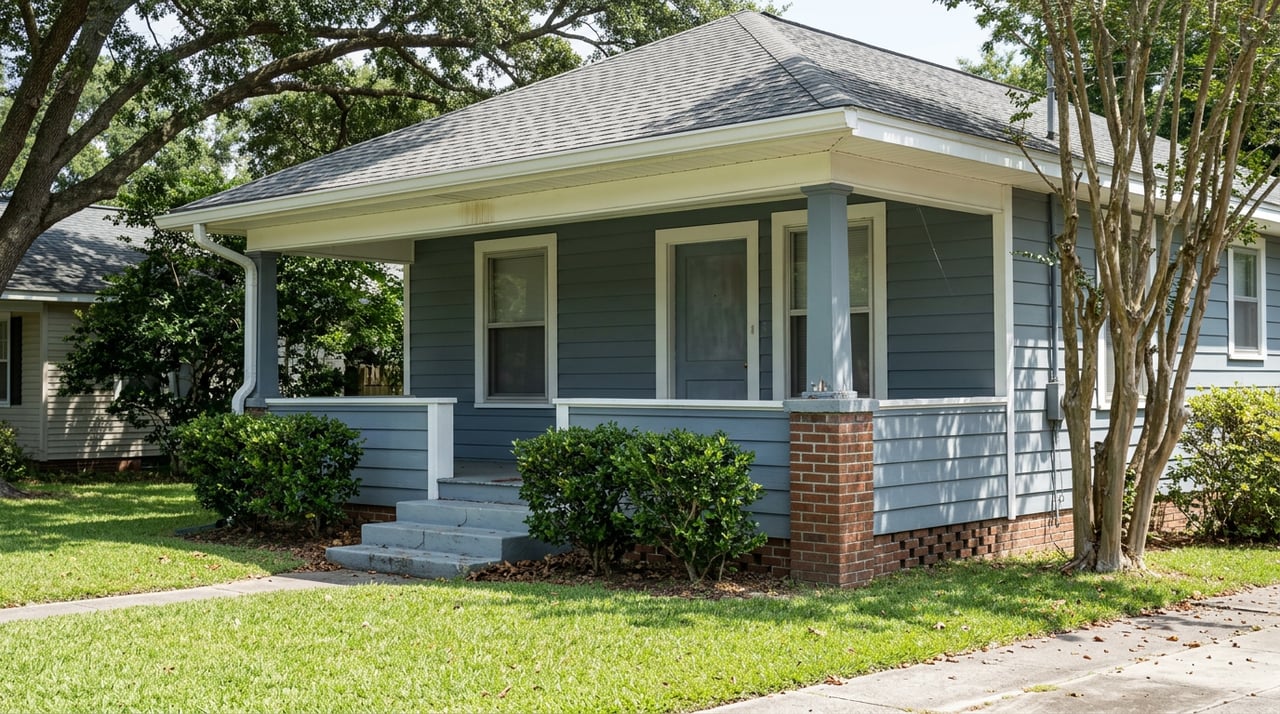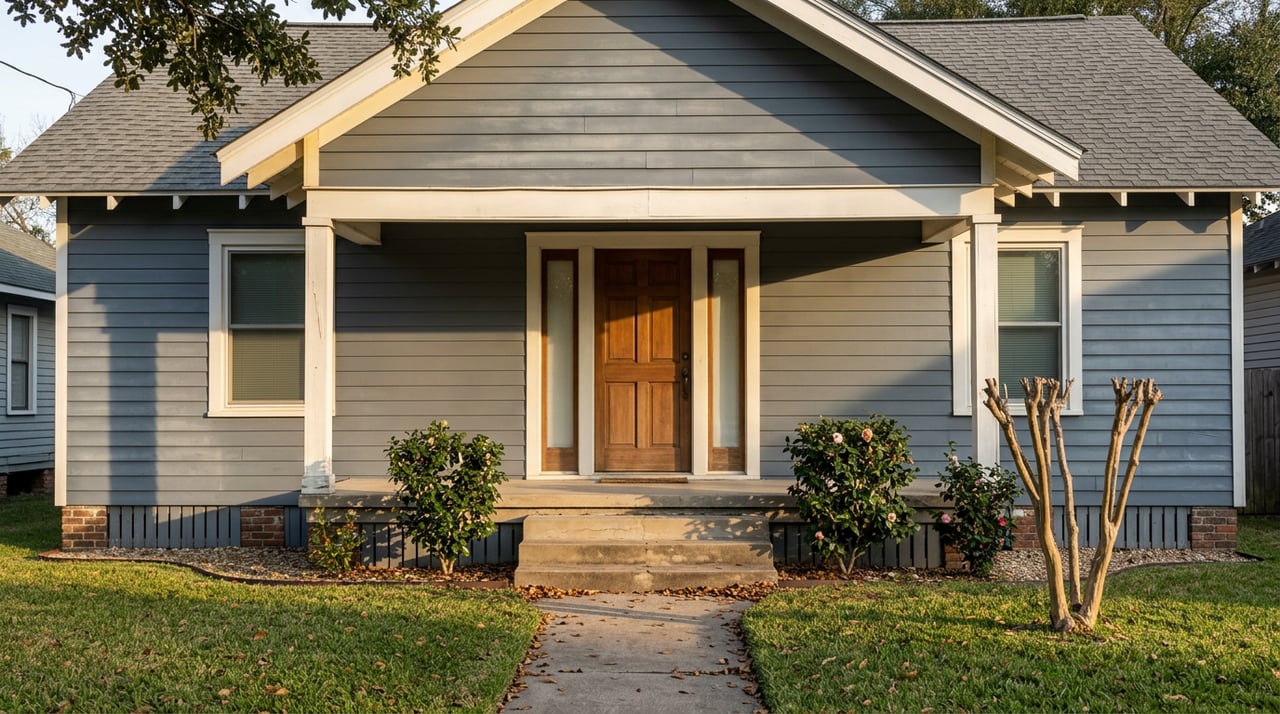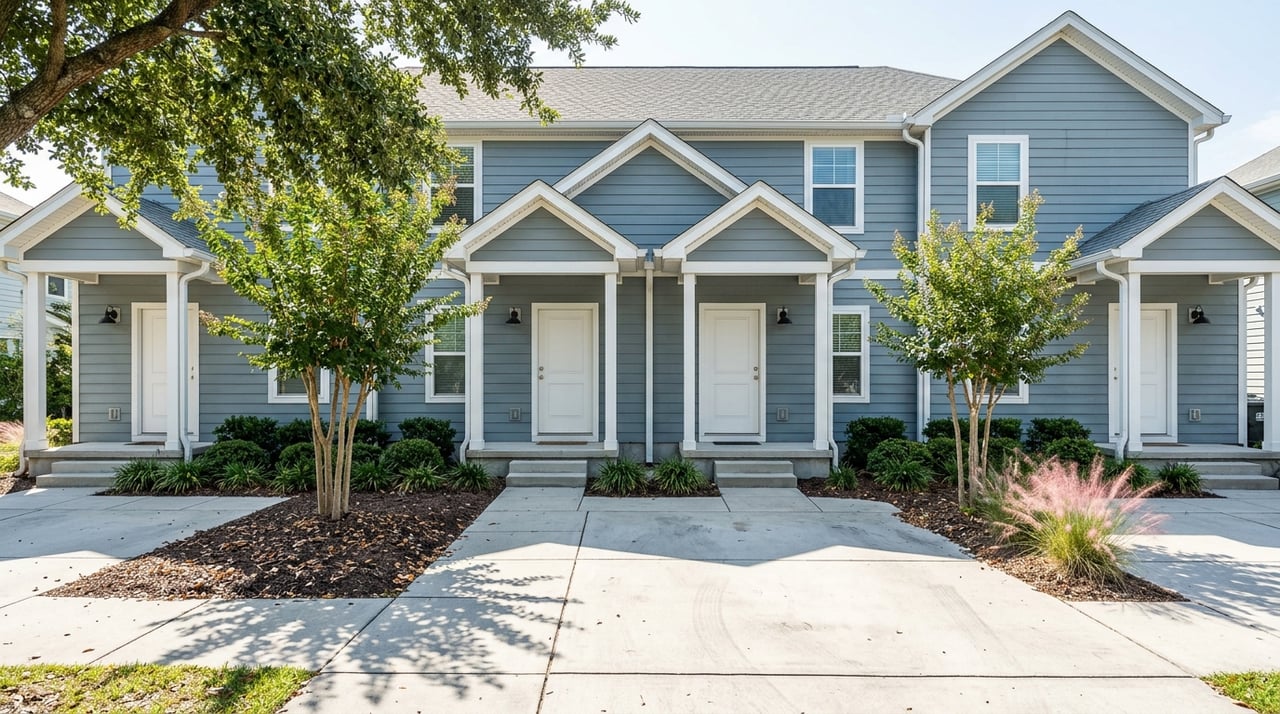
Wondering if a condo or townhome in Lafayette could give you the easier lifestyle you want without giving up the benefits of homeownership? If you are looking for less exterior upkeep, a manageable floor plan, or access to shared amenities, attached-home living may be worth a closer look. The key is knowing how Lafayette’s market, ownership structures, fees, and insurance details can affect your decision. Let’s dive in.
Why Attached Homes Appeal in Lafayette
Lafayette’s housing market is giving buyers more room to compare options than they might find in a fast-moving market. According to a recent Lafayette housing market summary from HUD, the market has been slightly soft, with 4.4 months of inventory and an average 2024 sale price of $247,800. That kind of environment can make it easier for you to slow down, review the numbers, and decide whether condo or townhome living fits your goals.
Attached homes in Lafayette are often found in established, convenience-oriented parts of the city. Current listing examples show visible inventory in areas such as River Ranch, Camellia Boulevard, Dulles Drive, Wilbourn Boulevard, and Court Avenue, based on active and recent Lafayette attached-home listings. If location, lower-maintenance living, and a smaller footprint matter to you, these types of properties can offer a practical option.
What Condo and Townhome Living Looks Like
One of the biggest surprises for buyers is how much variety exists in Lafayette’s attached-home inventory. Current examples range from a compact 1-bedroom, 1-bath condo with 625 square feet to larger layouts like a 3-bedroom, 3-bath River Ranch condo with 2,461 square feet, based on current local listing examples. That means you may find options that suit a first-time purchase, downsizing plan, or a move toward more convenience.
Features can vary widely from property to property. In Lafayette, listing examples include open living areas, two-story floor plans, patios or balconies, fenced courtyards, walk-in closets, garages, covered parking, and community pools. Some homes lean simple and budget-friendly, while others offer more upscale finishes and larger living spaces.
For example, a River Ranch condo listing includes two living areas, a computer nook, a large island kitchen, a balcony, and a 2-car garage. A Wilbourn Boulevard condo features an open layout, upstairs bedrooms, a fenced courtyard, exterior storage, and a community pool. A Dulles Drive townhouse offers covered parking, a fenced courtyard, appliances, and pool access.
Condo vs Townhome Ownership
The words “condo” and “townhome” do not always tell you exactly what you are buying. According to the National Association of Realtors consumer guide on HOAs, condo buyers usually own the interior unit plus an interest in common areas, while owners in some HOA communities may own both the home and the lot. The exact setup can vary from one development to another.
That is why you should never rely on the label alone. Before you move forward, confirm whether the property is fee simple or condominium ownership and review the deed, declaration, and association documents. This step helps you understand what you truly own, what the association controls, and where your maintenance responsibilities begin and end.
What Fees Usually Cover
If you are comparing a condo or townhome with a detached house, the monthly payment is only part of the picture. HOA or condo dues are typically separate from your mortgage, and the NAR HOA guide notes that dues may be billed monthly, quarterly, or annually. They often help cover landscaping, routine maintenance, common-area upkeep, shared amenities, and reserve funds.
Lafayette listings show just how much these costs can vary. Current examples include a 1-bedroom condo with $95 monthly dues, a 2-bedroom condo with $205 monthly dues, a 3-bedroom townhome with $65 monthly dues, and a Court Avenue townhome with $380 annual dues, based on local listing examples. These examples are not a citywide average, but they are a good reminder that lower dues do not always mean better value, and higher dues do not always mean too much.
When you compare properties, ask what the dues actually include. A community pool, exterior upkeep, grounds care, or stronger reserve funding may justify higher dues. You also want to ask whether the association has any current or possible special assessments.
Repairs and Maintenance Responsibilities
Many buyers choose attached homes because they want fewer exterior chores. That can be a real benefit, but you still need to know who handles what. Under Louisiana condominium law, the association is generally responsible for common elements, while the unit owner is responsible for the unit unless the declaration says otherwise.
With townhomes, responsibilities may look different depending on how the property is structured and what the governing documents say. Exterior walls, roofs, courtyards, fences, and shared spaces are not handled the same way in every community. Reading the bylaws, declaration, and maintenance rules is one of the smartest things you can do before making an offer.
Taxes, Homestead, and Insurance
Ownership costs do not stop with principal and interest. Louisiana law provides that condominiums are taxed as individual parcels, and the Lafayette Parish Assessor says the homestead exemption can reduce taxable value by up to $75,000 of market value for an owner-occupied primary residence. If you plan to live in the property full time, that is an important question to confirm early.
Insurance is another area where details matter. Louisiana law allows unit owners to obtain their own insurance for personal benefit, and your own policy may need to cover contents, upgrades, or certain loss assessments depending on the association’s master policy. You should ask for the insurance certificate and review it carefully before closing.
Flood insurance deserves special attention in Lafayette. FEMA explains that flood insurance may be required for federally backed loans when a property is in a Special Flood Hazard Area, and standard homeowners insurance usually does not cover flood damage. Just as important, flood risk can vary by exact unit or address, even within the same broader area.
For example, one Lafayette townhome listing was identified in Flood Zone A, while a River Ranch condo listing was in Flood Zone X, based on local listing data. That is why it is wise to verify the flood zone for the specific property you are considering instead of making assumptions about the whole community.
Financing Can Take Extra Review
Financing a condo or townhome can be straightforward, but it can also come with a few extra checkpoints. According to HUD’s condominium project guidance, FHA condo financing is generally limited to FHA-approved projects or units that qualify for Single-Unit Approval. Project eligibility can also matter for conventional financing.
This is worth asking about before you write an offer, especially if you plan to use FHA, VA, or conventional financing with specific project standards. In some cases, issues like short-term rental operations or hotel-like use can affect eligibility. Getting clarity early can save you time, money, and frustration.
Smart Questions to Ask Before You Buy
A condo or townhome can be a strong fit when you want homeownership with less exterior upkeep and a more manageable footprint. Still, the right purchase usually comes down to careful review, not just curb appeal. A few focused questions can help you avoid surprises.
Here is a practical due diligence checklist for Lafayette buyers:
- Confirm whether the property is condo ownership or fee simple ownership.
- Review the declaration, bylaws, budget, reserve information, and recent meeting minutes.
- Ask what the dues cover and whether there are any planned or recent special assessments.
- Verify rules about rentals, pets, parking, and exterior changes.
- Request the association insurance certificate and ask what your own policy must cover.
- Check the exact flood zone for the property and ask your lender whether flood insurance will be required.
- Confirm whether you qualify for the Lafayette Parish homestead exemption if the home will be your primary residence.
Is Condo or Townhome Living Right for You?
For many buyers, condo and townhome living in Lafayette makes sense because it can offer lower exterior maintenance, shared amenities, and a layout that feels easier to manage than a detached house. In today’s more selective market, you may have the chance to compare options carefully and focus on total cost, ownership structure, and long-term fit. That kind of thoughtful approach often leads to a better decision.
If you are weighing attached-home options and want clear, responsive guidance through the details, Reign Realty is here to help you explore your next move with confidence.
FAQs
What is the difference between a condo and a townhome in Lafayette?
- A condo usually means you own the unit and share ownership in common areas, while some townhomes may include ownership of both the home and lot, but you should always verify the deed and governing documents.
What do condo or HOA dues usually cover in Lafayette attached-home communities?
- Dues commonly cover items like landscaping, common-area maintenance, shared amenities, and reserve funds, but coverage varies by association.
Do Lafayette condo and townhome buyers need flood insurance?
- Flood insurance may be required by a lender if the property is in a Special Flood Hazard Area, so you should check the exact address and flood zone before closing.
Can you get the homestead exemption on a Lafayette condo or townhome?
- Yes, if the property will be your owner-occupied primary residence in Lafayette Parish, you may qualify for the homestead exemption.
Is financing a condo in Lafayette harder than financing a detached home?
- It can involve extra project review because some loan types require the condo project or unit to meet eligibility standards before approval.
What should you review before buying a Lafayette condo or townhome?
- You should review ownership type, association documents, dues, reserves, rules, insurance details, flood zone status, and any lender eligibility requirements.